Breathing Thin Air and Still Losing: The Real Story Behind Denver's Home Field Illusion
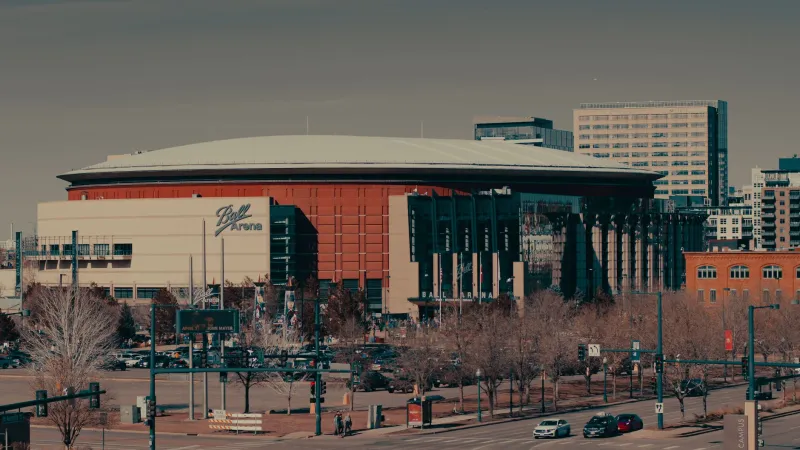
There's a story Broncos fans have been told so many times it's practically carved into the Rocky Mountains themselves. Opposing players step off the plane in Denver, take their first gulp of thin air, and immediately start losing the game before they even lace up their cleats. The elevation does the work. The altitude is the twelfth man. Mile High Stadium — in whatever corporate-named form it currently exists — is a fortress.
Except, well, it hasn't exactly looked like a fortress lately. And when you dig into the history books with honest eyes instead of orange-tinted glasses, the picture gets complicated fast.
The Legend Gets Built
The altitude mythology didn't come from nowhere. Back in the 1970s and early 1980s, the Broncos genuinely did own their home turf. The Orange Crush defense was suffocating, the crowd was electric, and visiting teams did visibly struggle to adjust. Running backs looked gassed. Quarterbacks overthrew receivers. Linemen who dominated at sea level looked like they were playing in slow motion by the fourth quarter.
Sports scientists and physiologists backed up the general concept, too. At 5,280 feet above sea level, there's roughly 17 percent less oxygen available than at sea level. For athletes performing at maximum exertion, that deficit is real and measurable. Cardiovascular strain increases. Recovery between plays takes longer. For a team that practiced there every single day, the thinking went, the home side had a built-in edge that money couldn't buy.
Coaches around the league bought into it. Players talked about it in interviews. The narrative calcified into accepted NFL wisdom, and Denver leaned into it hard.
When the Numbers Stop Cooperating
Here's where it gets messy. If the altitude advantage were as decisive as advertised, you'd expect the Broncos' home record to consistently dwarf their road performance. You'd expect visiting teams to wilt predictably, especially in late-game situations when oxygen debt compounds.
But stretch that analysis across the last fifteen years and the data tells a far more complicated story. Denver has gone through extended stretches at home that look nothing like a team playing with a structural advantage. There have been seasons — painful ones that Broncos Nation remembers vividly — where the team actually performed better on the road than inside their own building. Opponents adjusted. Travel schedules evolved. Teams started arriving in Denver two or three days early specifically to acclimate. The NFL itself has acknowledged the issue enough that scheduling considerations have quietly shifted over the decades.
More damning: some of the most embarrassing losses in recent Broncos history happened at home, in front of their own fans, in conditions that were theoretically tilted in Denver's favor.
What the Players Actually Say
Spend enough time reading player interviews — both from Broncos veterans and from visiting players — and you start noticing a gap between the public mythology and the private reality.
Former Broncos who've spoken candidly about the altitude edge tend to frame it with a lot of qualifiers. Yes, it's real. Yes, it matters. But mostly in the first quarter, and mostly for players who didn't prepare for it. By Week 10 of any given season, when opponents have already built altitude-prep into their training camp protocols and travel plans, the edge narrows considerably.
Visiting players, meanwhile, have gotten progressively better at dismissing the psychological component. Younger athletes, raised on sports science and recovery technology, aren't showing up in Denver convinced they're doomed. They're showing up with altitude tents, supplemental oxygen on the sideline, and coaches who've already gamed out the physiological variables.
The mental edge — the idea that opposing teams believed they were beaten before kickoff — may have eroded faster than the physical one.
The Organizational Question Nobody Wants to Ask
This is the part that makes some fans uncomfortable, so let's just say it plainly: has the altitude narrative functioned, at least partially, as organizational cover?
When a team loses at home and can point to elevation as a factor — even in losses where the home team is the one supposedly benefiting from it — the conversation gets muddied. Front offices can deflect from bad roster construction. Coaches can sidestep questions about game planning. Fans, who desperately want an explanation that doesn't indict the people running their favorite team, sometimes accept the environmental framing because the alternative is harder to sit with.
Denver's front office has gone through significant turbulence over the past decade. Coaching changes have been frequent. Quarterback instability has been chronic and well-documented. Cap management has caused real headaches. These are organizational problems that exist entirely independent of what the air is doing at 5,280 feet.
If the Broncos had been winning consistently at home over that same stretch, nobody would be asking these questions. The altitude story would be the story. But they haven't been, and that forces an honest accounting of what's actually driving results inside the stadium.
The Real Competitive Edge — And What Replaced It
There's an argument to be made that the altitude advantage was always less about oxygen and more about identity. The Broncos, at their best, played a brand of football that felt native to Denver — physical, relentless, built for the long game. The Orange Crush defense didn't win because of thin air. It won because it was extraordinarily well-coached and exceptionally talented. The elevation was a bonus, not the engine.
When that identity eroded — when the roster stopped reflecting that blue-collar, fourth-quarter mentality — the altitude couldn't compensate. You can't outsource toughness to geography.
The franchises that have consistently dominated home-field advantage in the modern NFL aren't the ones with the most exotic environments. They're the ones with stable coaching, defined team identity, and rosters built to play a specific style of football that suits their personnel. Kansas City does it at Arrowhead. San Francisco has done it at Levi's Stadium. The secret isn't altitude. It's organizational coherence.
What Broncos Nation Deserves to Hear
This isn't an argument that the altitude advantage is a complete fiction. The physiological reality is documented and real. On the right day, against the right opponent, playing in Denver still carries measurable benefits.
But Broncos Nation deserves an honest conversation about what home field actually means for this franchise right now — and whether leaning on the elevation narrative has occasionally served as a comfortable distraction from harder truths.
The fans who pack that stadium every Sunday aren't showing up because they believe thin air will save them. They're showing up because they love this team, through the wins and the gut-punches and the seasons that tested their patience in ways that had nothing to do with the weather.
That's the real home field advantage Denver has always had. The question is whether the organization has done enough to deserve it.