Thin Air, Thick Disappointment: The Truth About Denver's Elevation Edge
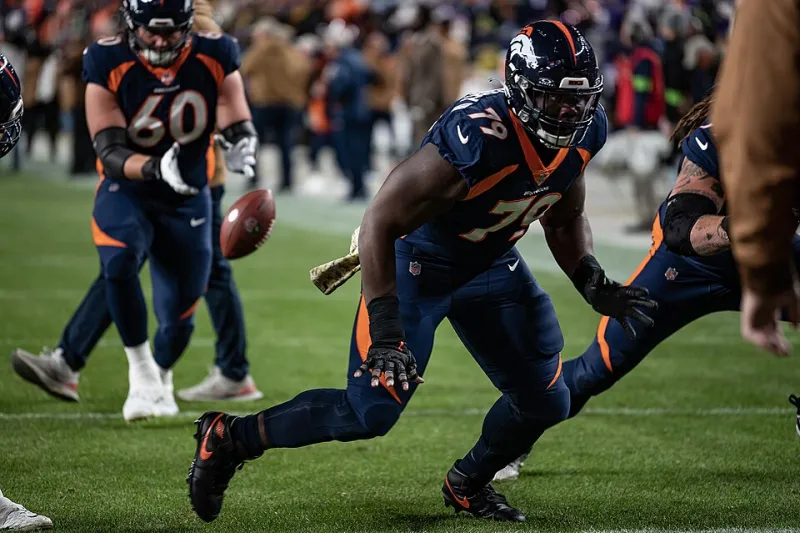
Photo: U.S. Space Force photo by Senior Airman Madelyn Yepez, Public domain, via Wikimedia Commons
Thin Air, Thick Disappointment: The Truth About Denver's Elevation Advantage
Ask any Broncos fan about the elevation advantage and you'll get one of two reactions. Either they'll lean back with a knowing grin and start telling you about some poor offensive lineman from Miami who was gasping by the second quarter, or they'll stare at the floor and mutter something about the 2013 AFC Championship. Both reactions tell you something important: the Mile High mystique is real, complicated, and absolutely maddening.
Denver sits at 5,280 feet above sea level. The air is thinner. The ball travels farther. Visiting players — especially those flying in from sea-level cities — have less oxygen to work with from the opening kickoff. On paper, that's a massive structural advantage. In practice? It's a lot more complicated than the bumper stickers suggest.
The Science Says One Thing. The Scoreboard Says Another.
Let's give credit where it's due. Studies on altitude's effect on athletic performance are pretty consistent: aerobic capacity drops, fatigue sets in faster, and recovery between plays takes longer for unacclimated athletes. A team that flew into Denver the night before a game is genuinely at a physiological disadvantage, at least early in the season before opponents started gaming the system.
And historically, the Broncos did benefit. Through the 1970s and into the 1980s, Mile High Stadium was a genuine fortress. The Orange Crush defense fed off crowd noise, home-field energy, and the very real suffering of visiting offenses trying to sustain drives in air that felt like breathing through a damp sock.
But here's where it gets uncomfortable for the faithful: the NFL got wise. Teams started arriving earlier, scheduling altitude camps, and using oxygen supplementation on the sidelines. The league even had to address supplemental oxygen use because visiting teams were leaning on it so heavily. When your supposed secret weapon requires a rule clarification, it might be time to reassess.
The Playoff Problem
The moments that sting the most aren't the mid-November losses to divisional rivals. It's the playoff games — the ones where home-field advantage is supposed to be the difference-maker — where the elevation narrative collapses hardest.
Think about the AFC Championship losses that still live rent-free in the back of Broncos Nation's collective brain. Games played in Denver. Games where the crowd was electric, the conditions were in the Broncos' favor, and visiting quarterbacks somehow found a way to carve up the secondary anyway. Tom Brady never seemed particularly winded at altitude. Neither did Ben Roethlisberger. The thin air didn't slow down Peyton Manning when he was on the other sideline, either.
The uncomfortable reality is that elite quarterbacks and well-prepared offenses can neutralize the altitude factor through tempo management, no-huddle attacks that keep the Denver defense on the field longer, and — crucially — by simply being better. Altitude is a stressor. It's not a game-winner.
What Are Other High-Altitude Teams Doing Differently?
This is where it gets genuinely interesting. Look at international soccer for a case study. Bolivia plays its home World Cup qualifiers in La Paz, which sits at over 11,000 feet. They've built an entire tactical identity around exhausting opponents in the first half, pressing relentlessly, and capitalizing on the psychological weight of the altitude as much as the physical reality. The elevation isn't just a backdrop — it's part of the game plan.
The Broncos, at various points in their history, have done something similar. The Orange Crush defenses of the late 1970s were built on relentless pressure and physical dominance that wore teams down over four quarters. The early 2010s teams under John Fox weren't flashy, but they were physical and they forced opponents into uncomfortable situations. When Denver's roster was built to grind, the altitude amplified that grind.
The problem is that modern NFL offenses — and frankly, some of Denver's own offensive philosophies over the past decade — favor the kind of up-tempo, spread-it-around passing attacks that actually help visiting teams manage altitude. Quick passes, shorter routes, less dependence on sustained drives. If you're snapping the ball every 20 seconds, you're not giving altitude time to do its dirty work.
Fans Weigh In: Belief vs. Reality
Broncos Nation is genuinely split on this one. Spend five minutes in any fan forum or tailgate conversation and you'll find two camps digging in hard.
The believers point to the regular-season home record over the decades, the crowd noise that's contributed to countless false starts, and the very real anecdotal evidence of visiting players looking gassed in the fourth quarter. These fans will tell you the elevation is absolutely still an edge — the franchise just hasn't been good enough lately to take full advantage of it.
The skeptics — and they've been growing in number — argue that the mystique has become a crutch. A way to explain away losses and avoid the harder conversation about roster construction, coaching decisions, and quarterback play. "We lost because the other team figured out our altitude advantage" is a much easier pill to swallow than "we lost because we were outcoached."
Both camps have a point, and that's what makes this such a genuinely fascinating piece of Broncos identity.
So Is It Real or Isn't It?
Here's the honest answer: yes, the elevation advantage is real, and no, it's not sufficient on its own to matter in the games that count most.
Altitude is a multiplier. If your team is well-conditioned, physically dominant, and built to impose a specific style of play on opponents, the elevation amplifies those strengths. If your team is inconsistent, reliant on a shaky passing game, and prone to fourth-quarter defensive breakdowns, the thin air isn't going to save you.
The Broncos' best teams understood this implicitly. They didn't rely on altitude — they used it as one weapon in a larger arsenal. The teams that have disappointed Broncos Nation over the years haven't failed because the elevation advantage disappeared. They've failed because they never built a roster capable of exploiting it.
Mile High is still special. The stadium, the crowd, the setting against the Rockies — there's nothing quite like it in professional football. But the 5,280-foot edge isn't a guarantee. It's an opportunity. And right now, Broncos Nation is waiting — impatiently, passionately, and with the particular desperation of a fanbase that knows exactly what this place is capable of — for a team worthy of it.