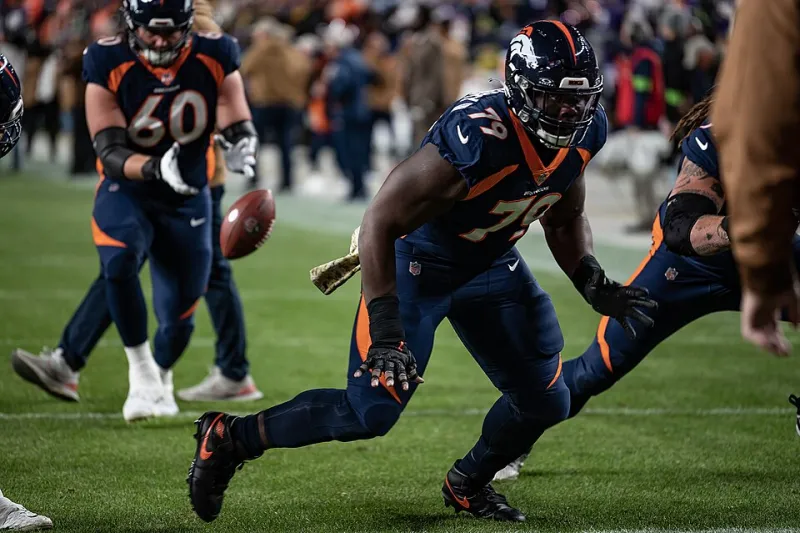
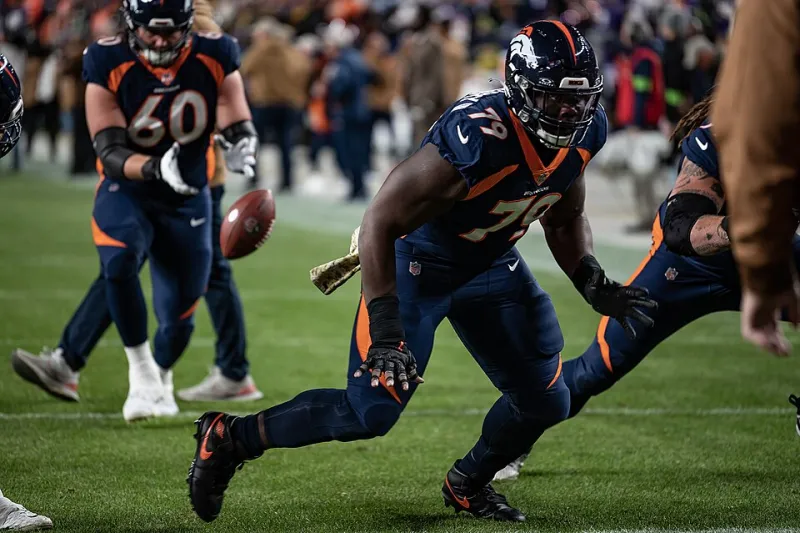
Orange vs. Red: Why the Broncos-Chiefs Grudge Match Is About a Whole Lot More Than Football
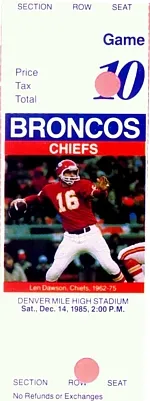
Photo: Denver Broncos/Unlimited Printing & Systems, Inc., Public domain, via Wikimedia Commons
There's a specific kind of tension that settles over Denver on the week of a Broncos-Chiefs game. It's not quite anxiety. It's not exactly excitement. It's something closer to a slow burn — the kind that starts Monday morning when you see the schedule and doesn't let up until the final whistle on Sunday. Ask any die-hard Broncos fan and they'll tell you the same thing: beating Kansas City doesn't just feel good. It feels necessary.
This rivalry didn't arrive fully formed. It was built over decades of division games, championship implications, and enough personal grudges to fill a pretty thick book. And somewhere along the way, it stopped being just about football and started being about something harder to define — regional identity, civic pride, and the stubborn, passionate belief that your city simply does it better.
How It All Started: Two Cities, One Division, Zero Chill
The AFC West has always been a brutal neighborhood. The Broncos and Chiefs have been sharing it since the early AFL days, which means this thing has roots going back to the 1960s. For a long stretch, the rivalry was competitive but not necessarily personal. Both franchises had their ups and downs, and the games mattered in the standings without always carrying extra weight.
That started to change as both teams built genuine identities. Denver had its legendary defenses, its Mile High magic, and eventually a dynasty built around John Elway. Kansas City had Arrowhead, Len Dawson, and a fanbase that was every bit as passionate as anything Colorado could produce. When two proud franchises with two proud fanbases start meeting twice a year with playoff positioning on the line, things get personal fast.
By the time the 1990s rolled around, the Broncos-Chiefs matchups had developed a rhythm that felt different from other division games. Coaches took them personally. Players circled them on the calendar. And fans? Fans started treating these games like mini Super Bowls.
The Moments That Poured Gasoline on the Fire
Rivalries aren't built on narratives alone — they need moments. The kind you remember exactly where you were when they happened. The Broncos-Chiefs series has delivered plenty of those.
Denver fans of a certain age still talk about the physical, punishing games from the Marty Schottenheimer era in Kansas City, when it felt like the Chiefs were actively trying to dismantle everything Denver was building. There were overtime thrillers, last-second field goals, and defensive battles so ugly they were almost beautiful. Every win felt earned the hard way, and every loss stung with the particular sharpness of losing to someone you genuinely cannot stand.
Then came the Peyton Manning years, which cranked the intensity up to a level that was almost uncomfortable. When Manning arrived in Denver, the Broncos suddenly had the kind of quarterback who could go toe-to-toe with anyone. Kansas City, meanwhile, was building toward something of their own. The games during that stretch weren't just division matchups — they were statements. Both franchises were competing for the soul of the AFC, and their fans knew it.
And of course, Patrick Mahomes changed everything. Again. His arrival in Kansas City shifted the power dynamic in ways that still sting in Denver, and if you want to understand why Broncos fans have a particular edge to their voice when they talk about the Chiefs these days, that's a big part of it. Watching a generational talent dominate your division while your own quarterback situation remains unsettled is the kind of thing that keeps fans up at night.
It's Not Just the Players — It's the People
Here's what separates this rivalry from a standard division matchup: the fans make it personal in a way that goes beyond the stadium. Walk into any sports bar in Denver on a Broncos-Chiefs Sunday and you'll feel it. There's a particular energy that's different from other game days. People are louder, more nervous, more invested.
Part of that is geography. Kansas City isn't some far-off city — it's close enough that you actually know Chiefs fans. They live in your state. Some of them work with you. Your cousin married one. The rivalry isn't abstract; it's the guy in the red jersey giving you grief at Thanksgiving. That proximity makes every win feel sweeter and every loss feel way more personal.
Denver fans have also developed a collective memory around these games that borders on mythology. Ask someone about a specific Broncos-Chiefs moment from fifteen years ago and they'll give you every detail — the score, the weather, who they watched it with, what they ate. These games leave marks.
The Rocky Mountain Region Is the Real Prize
There's also a geographic argument happening beneath the surface of this rivalry that doesn't get talked about enough. Both franchises have spent decades trying to claim the broader Rocky Mountain and Great Plains region as their territory. Denver sits at the base of the Rockies with a massive natural footprint — fans come from Wyoming, Montana, the Dakotas, and beyond. Kansas City has its own regional pull, stretching across Missouri and Kansas with deep roots in the Midwest.
When these teams play, it isn't just about the standings. It's about which franchise gets to plant its flag across a huge swath of American geography. And Broncos fans take that seriously. Mile High isn't just an altitude — it's a statement of ownership over a region, and the Chiefs have been trying to contest that claim for decades.
What This Rivalry Means for Broncos Nation Right Now
Honestly? This is a complicated moment to be a Denver fan when it comes to the Chiefs. Kansas City has been dominant in ways that are difficult to watch, and the Broncos are in the middle of trying to figure out their own identity again. But that's almost what makes the rivalry feel more alive, not less.
When the power balance is lopsided, the hunger to close that gap becomes its own kind of fuel. Every Broncos fan watching Mahomes dissect a defense knows exactly what they want: the moment when Denver can line up against Kansas City with a quarterback and a roster capable of going punch for punch. That day feels like it's coming. And when it does, this rivalry is going to hit a level of intensity that makes everything that came before look like a warm-up.
Until then, every game between these two teams carries the weight of everything that's come before it. Every snap, every turnover, every fourth-quarter drive. This isn't just football. This is Denver proving something — to Kansas City, to the rest of the league, and maybe most importantly, to itself.
That's what a real rivalry does. It stops being about the game and starts being about who you are. And Broncos Nation has always known exactly who it is.