Dirt Under the Fingernails: The Blue-Collar Broncos Identity and the Fight to Get It Back
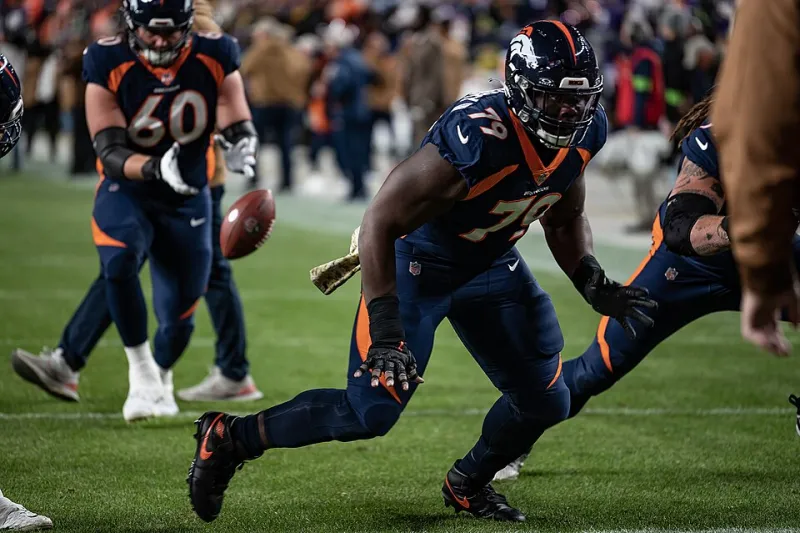
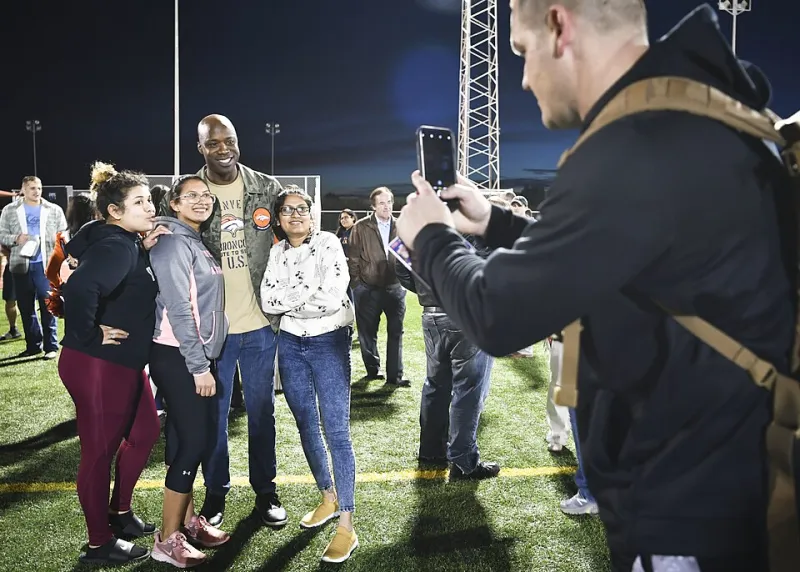
Photo: U.S. Space Force photo by Senior Airman Madelyn Yepez, Public domain, via Wikimedia Commons
There's a version of Broncos football that lives permanently in the bones of anyone who grew up watching this team. It doesn't look like a highlight reel. It looks like a linebacker meeting a fullback in the hole and neither of them flinching. It sounds like the crowd at Mile High going absolutely feral after a third-down stop. It feels like football that was earned, not manufactured.
That's the Broncos identity that built this fanbase. And depending on who you ask, it's either dormant, diluted, or flat-out gone.
What We're Actually Talking About When We Say 'Blue-Collar'
Let's be specific, because "blue-collar football" gets thrown around a lot without people defining what they actually mean.
For Broncos Nation, it traces back to the Orange Crush era — the late 1970s teams that were defensive juggernauts. Lyle Alzado. Tom Jackson. Randy Gradishar. These weren't guys who showed up for the cameras. They showed up to hurt people legally and make every opposing offense miserable for sixty minutes. The offense wasn't flashy either. Craig Morton wasn't going to dazzle you. What he'd do is manage the game, not turn it over, and let the defense win it.
Fast-forward to the early John Fox years and the 2012-2013 squads. Yes, Peyton Manning was there and yes, he was historically great. But the team around him — Willis McGahee grinding out yards, a defense that hit you in the mouth, a culture of accountability that Fox installed from day one — had that same working-class DNA. Even during the Super Bowl 50 run, the identity was unmistakable. Von Miller and that defense weren't doing it with mirrors. They were doing it with violence and preparation and the kind of collective will that you can't fake on a depth chart.
Blue-collar Broncos football means: we will outwork you, we will out-hit you, and when the fourth quarter gets ugly, we will be the ones still standing. That's the definition. That's what's been missing.
How Did We Get Here?
The honest answer is that the NFL changed and Denver — like a lot of franchises — chased the change without a clear identity to anchor them.
The league's shift toward pass-heavy offenses, rule changes protecting quarterbacks and receivers, and the explosion of analytics-driven play-calling all pushed teams toward a more finesse-oriented style. Running the ball became "inefficient." Physical defense became harder to play without penalty flags. The game genuinely evolved, and teams that didn't adapt got left behind.
But here's where Denver's situation gets specific and painful: the Broncos didn't just adapt to the new NFL. They went through a decade-plus of quarterback instability that forced them to build rosters reactively rather than around a coherent philosophy. When you're plugging in a new starter at quarterback every season or two, you can't build a sustained identity. You're just managing chaos.
The result? A franchise that's been searching for a personality as much as a passer. Flashy offensive schemes that never quite fit the personnel. Defensive units that were occasionally elite but never consistently supported. And a fanbase that kept showing up — because that's what Broncos Nation does — while quietly grieving the loss of something they couldn't fully articulate.
The Nostalgia Question: Are We Just Romanticizing the Past?
This is the part where we have to be honest with ourselves, and it's not entirely comfortable.
Some of what Broncos fans miss about those tough, physical teams is absolutely legitimate. The culture, the accountability, the sense that every player on the roster understood their role and executed it without drama — that stuff is real and it matters and it wins football games.
But some of it is nostalgia doing what nostalgia always does: softening the rough edges and making the past look better than the present simply because it's familiar. The Orange Crush teams didn't win a Super Bowl. The early Fox-era teams were good but not great. Even the best versions of "blue-collar Broncos football" had their limitations.
The question isn't whether we can recreate 1977 or 2012. The question is whether the core values of those teams — toughness, accountability, team-first mentality, defensive identity — are compatible with winning in today's NFL. And the answer, if you look around the league, is clearly yes.
The San Francisco 49ers have built a dynasty in the modern era on exactly those principles. Kyle Shanahan runs a physical, run-first offense. Their defensive culture is nasty and relentless. They're one of the most analytically sophisticated organizations in football AND they play physical, blue-collar football. Those things aren't mutually exclusive.
What Reclaiming That Identity Actually Looks Like
For Broncos Nation, this isn't just a philosophical debate — it's a practical one. What does a team need to look like for fans to feel like Denver is Denver again?
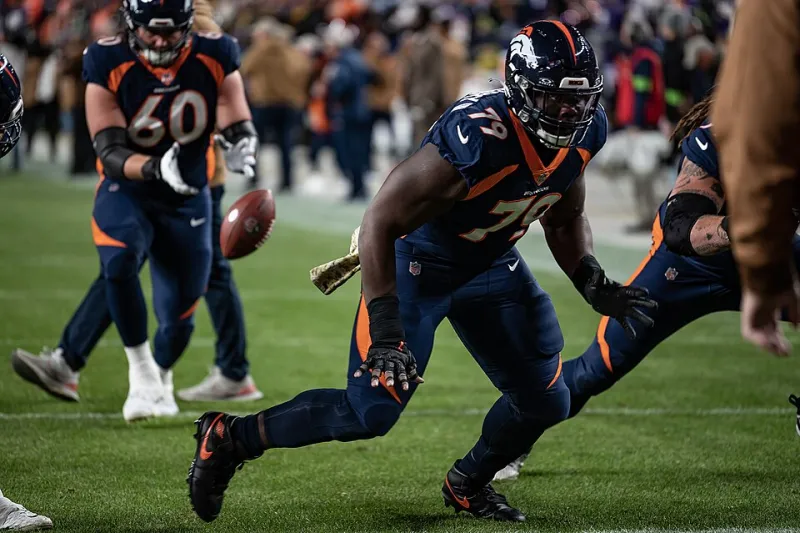
It starts in the trenches. Blue-collar football is built on offensive and defensive lines that dominate. When your offensive line is opening holes and your defensive line is collapsing pockets, everything else — the quarterback's confidence, the running game's effectiveness, the defense's ability to create turnovers — flows from that foundation. You can't fake physicality up front.
It requires a defensive identity. The Broncos' best teams were always defined by their defenses first. That's not a coincidence. Defense is where toughness and preparation and collective will show up most visibly. A great defense protects a developing quarterback, keeps games close, and gives your fanbase something to rally around even when the offense is struggling.
And it demands cultural consistency. The intangible stuff matters. How does the locker room handle a bad loss? What's the standard for preparation? Who are the leaders and what do they model for the younger players? You can see this stuff on the field if you watch carefully. Teams with strong cultures play differently in the fourth quarter than teams without them.
Broncos Nation Is Ready
Here's what's clear after talking to fans, reading the forums, and watching how this community shows up game after game even through the lean years: Broncos Nation hasn't forgotten what this team is supposed to feel like.
The sellouts continue. The passion is undiminished. The Mile High faithful aren't asking for perfection — they're asking for a team that looks like it gives a damn, plays physical, and earns every yard it gets.
That's not nostalgia. That's a standard. And it's one this franchise has met before. The blueprint exists. The fanbase is here. Now somebody just needs to build the team that deserves them.