One Eye on the Scoreboard, One Eye on the Payday: Denver's Ugly Contract Year Problem

Photo by Photo by Matt Benson on Unsplash on Unsplash
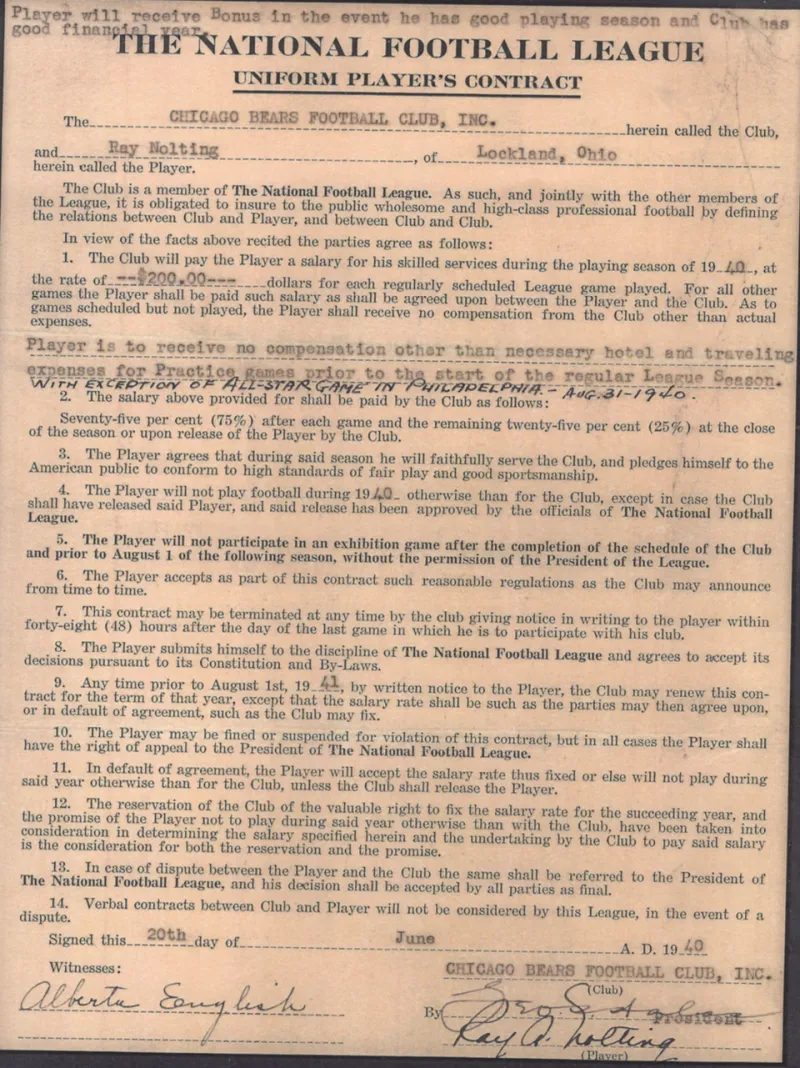
There's an old saying in football circles: players perform for the contract. The idea is simple — a guy entering the last year of his deal is supposed to be hungry, motivated, playing like every snap is an audition for his next big payday. In theory, contract years should produce some of the best football you'll ever see from your favorite players.
For the Denver Broncos, that theory has been laughing in our faces for years.
Instead of career-defining performances, Broncos fans have watched a parade of veterans go weirdly quiet, mysteriously inconsistent, or straight-up invisible during the seasons that mattered most — not just for their own futures, but for the franchise's championship window. It's become one of those patterns you don't want to acknowledge because once you see it, you can't unsee it.
So let's talk about it.
The Setup: Why Contract Years Should Work
The logic behind the contract year bump is sound. A player with financial security already locked in has less urgency. But strip that away, put a guy in his walk year, and suddenly every rep matters. Every snap is a chance to prove value. Every game is essentially a live job interview broadcast to 32 front offices.
Around the league, this plays out all the time. Running backs explode for 1,400 yards. Wide receivers suddenly find another gear. Defensive linemen post career-high sack numbers. The incentive structure makes sense.
Denver just hasn't been on the right end of it often enough.
When the Wheels Started Coming Off
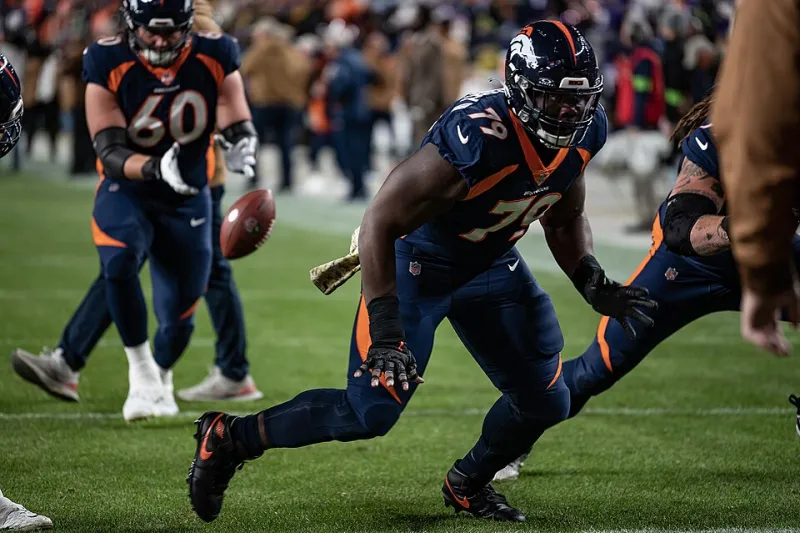
You don't have to dig too deep into the recent history books to find examples. Think about the offensive linemen who looked like they were playing through mud in their final seasons under contract. The skill position players who put up numbers just good enough to stay on the field but not good enough to actually move the needle for a team trying to claw back into playoff relevance.
There's something particularly brutal about watching a player underperform in a contract year when the Broncos are already fighting uphill. It's one thing when a team is cruising — a quiet season from one guy gets absorbed by the whole. But Denver hasn't had that luxury for a while. Every missed assignment, every dropped ball, every blown coverage during a walk year has felt amplified because the margin for error has been so thin.
The front office has been caught in this cycle more than once: invest in a player, build schemes around him, count on him to deliver when it counts, and then watch him either check out mentally or break down physically right when the contract clock hits zero.
The Pressure Cooker Nobody Talks About
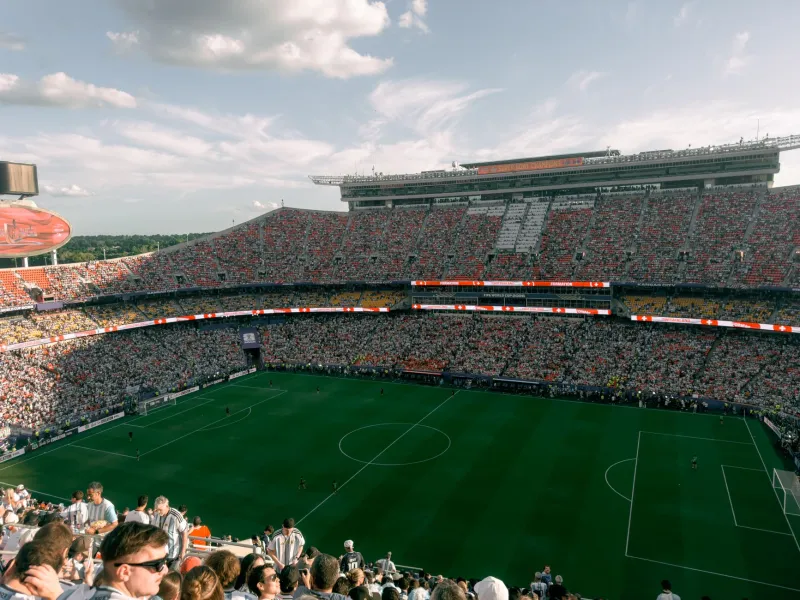
Here's something worth considering — Denver is not an easy place to play out a contract year. Mile High isn't just a stadium; it's a pressure cooker. The fan base is knowledgeable, passionate, and not particularly forgiving when expectations go unmet. Local media coverage is intense. The shadow of the Super Bowl dynasty years still looms over everything.
When a Broncos player enters a contract year, he's not just auditioning for league-wide scouts. He's doing it under a microscope, in a market that remembers what winning looks like and isn't shy about pointing out the gap between then and now. That's a lot of noise to block out.
Some guys thrive in that environment. Others shrink. And it's not always a character flaw — pressure affects performance in ways that are real and documented. The question is whether Denver has been good at identifying which type of player they're investing in before the contract situation becomes a problem.
The honest answer? Not always.
The Front Office Equation
This is where the analysis gets uncomfortable for some fans, because it forces a look inward at how the franchise has handled roster construction. Retaining top-tier talent before the walk year becomes an issue is the obvious solution — get ahead of it, lock guys up early, remove the distraction entirely.
But Denver has had its share of negotiations that dragged into the season, extensions that stalled, and situations where a player and the front office clearly weren't on the same page about value. When that happens, you've essentially created the worst possible scenario: a guy who knows the team doesn't fully value him at his asking price, playing out a season in a fishbowl, trying to prove a point while also trying to win games.
That's a recipe for exactly the kind of split-focus, inconsistent performance that has plagued the Broncos in these situations.
Bad Luck or Bad Pattern?
Fair question. Some of what looks like a pattern might just be the randomness of football doing its thing. Injuries don't care about contract timelines. A guy can be fully bought in, playing his heart out, and still get hurt or hit a statistical wall that has nothing to do with his mental state.
But when you stack the examples up, when you look at how often Denver specifically has been on the wrong side of these situations, it starts to feel like something more than bad luck. It feels structural. Like there's something about how the franchise identifies talent, manages relationships, and handles the business side of football that creates friction right at the moments when harmony is most needed.
What This Means Going Forward
The good news — and yes, there is some — is that patterns can be broken. Front office cultures evolve. Coaching staffs change the way they communicate with players. New approaches to contract management can shift the dynamic entirely.
For Broncos Nation, the hope is that the current leadership has looked at this history honestly and made adjustments. Building a championship contender isn't just about drafting well or spending smart in free agency. It's about creating an environment where your best players want to perform, where the contract situation never becomes a distraction, and where the culture is strong enough to carry guys through the noise of a walk year.
Denver fans have seen what this franchise looks like at its best. They've lived through the dynasty years. They know the standard. And right now, more than anything, they want to see a roster where nobody's got one eye on the scoreboard and one eye on the next payday.
Because when that happens — when everyone's locked in, contract year or not — this fan base and this city are ready to do their part. Mile High gets loud. The orange takes over. And the Broncos become exactly what they're supposed to be.
We're just waiting for the players to catch up.